
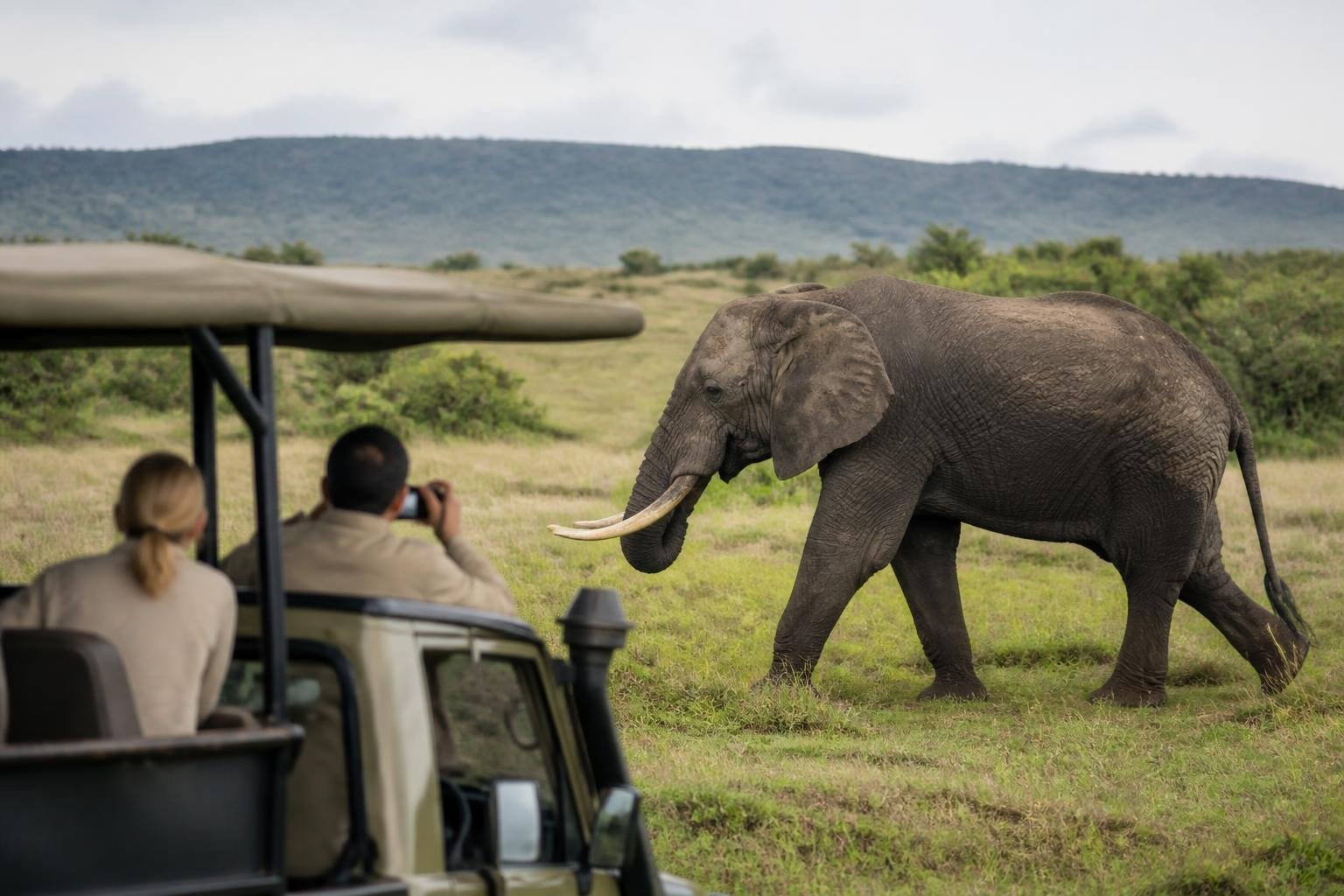
Safari tours represent one of the most transformative travel experiences available today, offering intimate encounters with wildlife in their natural habitats while immersing visitors in diverse ecosystems across Africa. Whether you're tracking mountain gorillas through misty forests or observing lions on the savannah, these journeys deliver memories that last a lifetime. The term safari originally meant "journey" in Swahili, and modern safari tours have evolved into carefully curated adventures that balance wildlife observation, cultural immersion, and environmental conservation.
Understanding Safari Tour Types and Formats
Safari tours come in various formats designed to match different travel preferences, budgets, and physical abilities. Selecting the right type ensures your experience aligns with your expectations and comfort level.
Group Safari Experiences
Group safaris bring together travelers from different backgrounds to share costs and experiences. These tours typically follow fixed itineraries with predetermined departure dates, making them budget-friendly options for solo travelers or couples.
Benefits of group safari tours include:
- Reduced per-person costs through shared vehicle and guide expenses
- Opportunities to meet fellow travelers and share wildlife sightings
- Pre-planned logistics that eliminate booking complexity
- Fixed schedules that help with advance planning
Group sizes usually range from six to twelve participants, allowing for meaningful wildlife viewing without overcrowding vehicles. The social dynamic creates shared excitement when spotting rare animals, though flexibility decreases compared to private options.
Private and Customized Safari Adventures
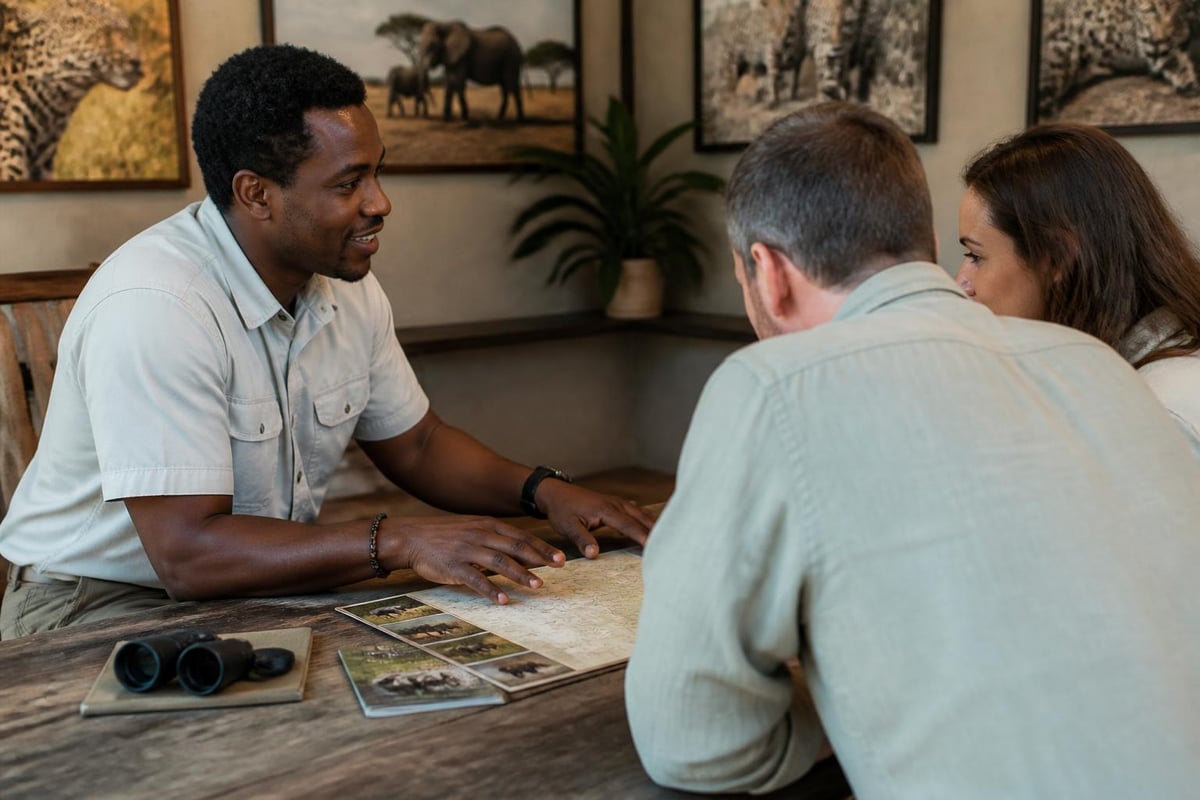
Private safari tours offer complete control over itinerary, pace, and focus areas. These experiences cater to families, honeymooners, photography enthusiasts, or anyone seeking personalized attention from guides.
Customization extends beyond simple date selection. Private tours allow you to emphasize specific interests such as bird watching, primate trekking, or cultural interactions. You determine daily start times, meal preferences, and how long to spend at each location.
| Safari Type | Flexibility | Cost Level | Group Size | Best For |
|---|---|---|---|---|
| Group Tours | Limited | Budget-friendly | 6-12 people | Solo travelers, budget-conscious visitors |
| Private Tours | Complete | Premium | Your party only | Families, couples, photographers |
| Mobile Camping | Moderate | Mid-range | 4-8 people | Adventure seekers |
| Luxury Lodge | Limited to moderate | High-end | Varies | Comfort-focused travelers |
Specialized Safari Experiences
Specialized safari tours target specific interests or activities beyond traditional game drives. Gorilla trekking in Uganda and Rwanda represents one of the most sought-after specialized experiences, requiring permits and guided hikes through mountain forests. Walking safaris provide ground-level perspectives impossible from vehicles, while photographic safaris include professional guides who understand lighting, composition, and animal behavior.
Cultural safari tours integrate village visits, traditional performances, and interactions with local communities, adding human dimension to wildlife encounters. These experiences support local economies while enriching your understanding of the region.
Planning Your Safari Tour Timeline
Timing significantly impacts what you'll see and experience during safari tours. Understanding seasonal patterns helps optimize wildlife viewing opportunities and weather conditions.
Dry Season Advantages
The dry season generally runs from June through October across East Africa, creating optimal conditions for wildlife observation. Animals congregate around remaining water sources, making them easier to locate and predict. Vegetation thins out, improving visibility through forests and grasslands.
Dry season benefits include:
- Concentrated wildlife around waterholes and rivers
- Reduced mosquito populations and malaria risk
- Better road conditions for accessing remote areas
- Clear skies ideal for photography
However, dry season popularity means higher prices and more visitors at popular parks. Booking six to twelve months ahead becomes essential, particularly for limited-permit activities like gorilla trekking.
Wet Season Opportunities
The wet season typically spans November through May, though exact timing varies by region. While some travelers avoid these months, wet season safari tours offer distinct advantages for those willing to embrace occasional rain.
Newborn animals appear during and after rains, attracting predators and creating dramatic wildlife interactions. Migratory birds arrive in spectacular numbers, delighting ornithology enthusiasts. Landscapes transform into lush green vistas, and lodges offer substantial discounts.
Rain usually arrives in short afternoon bursts rather than all-day downpours, leaving mornings clear for activities. The reduced visitor numbers create more intimate experiences at popular sites.
Essential Destinations for Safari Tours
East Africa contains diverse ecosystems that support different wildlife populations and safari experiences. Each destination offers unique characteristics worth considering when planning your journey.
Uganda's Biodiversity Hotspots
Uganda combines primate encounters with traditional savannah wildlife, earning its nickname as the "Pearl of Africa." Bwindi Impenetrable National Park protects roughly half of the world's remaining mountain gorillas, making it a premier destination for gorilla trekking. The experience of sitting quietly as a gorilla family goes about their daily routine ranks among the most profound wildlife encounters available.
Queen Elizabeth National Park showcases classic African landscapes with tree-climbing lions, large elephant herds, and hippo-filled waterways. Boat cruises along Kazinga Channel reveal concentrated wildlife populations along the shoreline. For those interested in comprehensive experiences, the 7 Days Gorilla and Wildlife Safari in Uganda combines these iconic destinations with chimpanzee trekking in Kibale National Park, offering diverse encounters across multiple ecosystems.
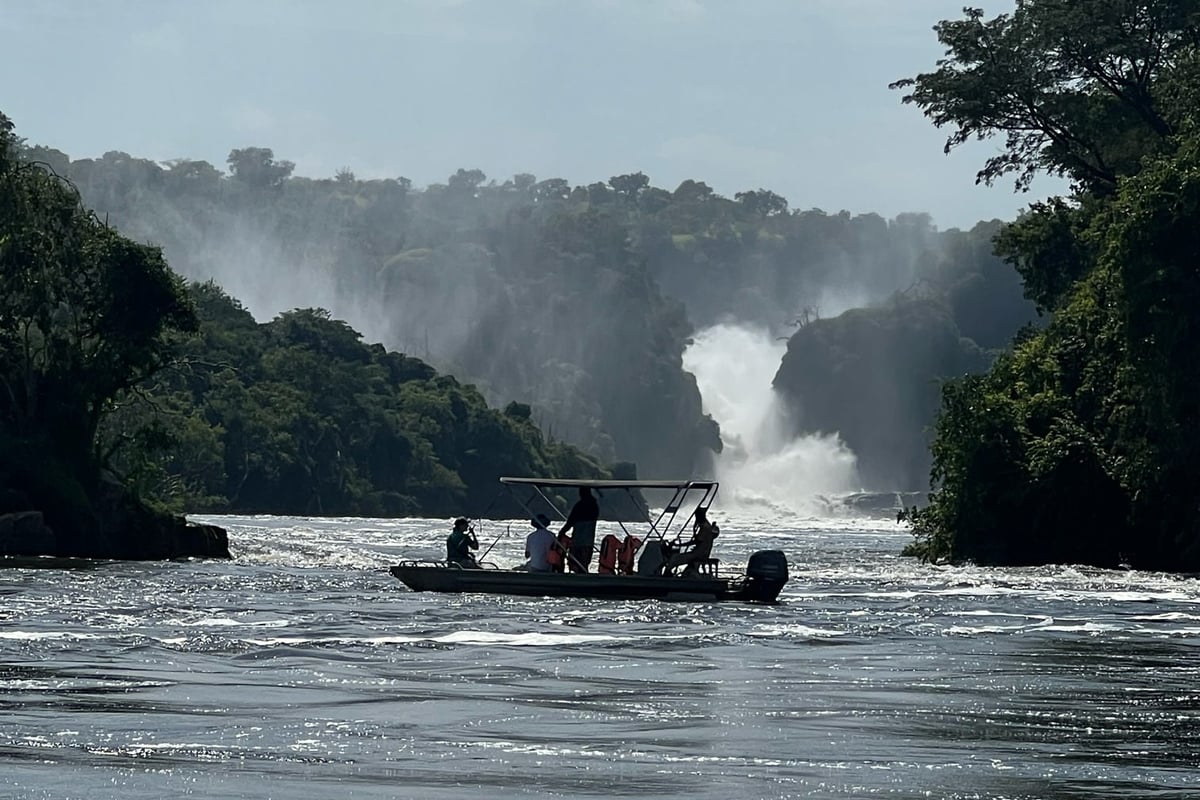
Kibale National Park contains the highest concentration of primates in Africa, with thirteen species including chimpanzees. Morning treks to find habituated chimpanzee groups provide insights into their complex social behaviors and forest ecology.
Rwanda's Conservation Success Stories
Rwanda has transformed from tragedy to become a conservation leader, with significant investments in wildlife protection and sustainable tourism. Volcanoes National Park offers mountain gorilla encounters similar to Uganda but with different terrain and group dynamics.
The country's compact size allows visitors to combine gorilla trekking with golden monkey tracking, cultural experiences in traditional villages, and visits to the vibrant capital of Kigali. Rwanda's emphasis on high-value, low-impact tourism creates well-managed experiences with strict environmental protocols.
Tanzania's Iconic Wildlife Reserves
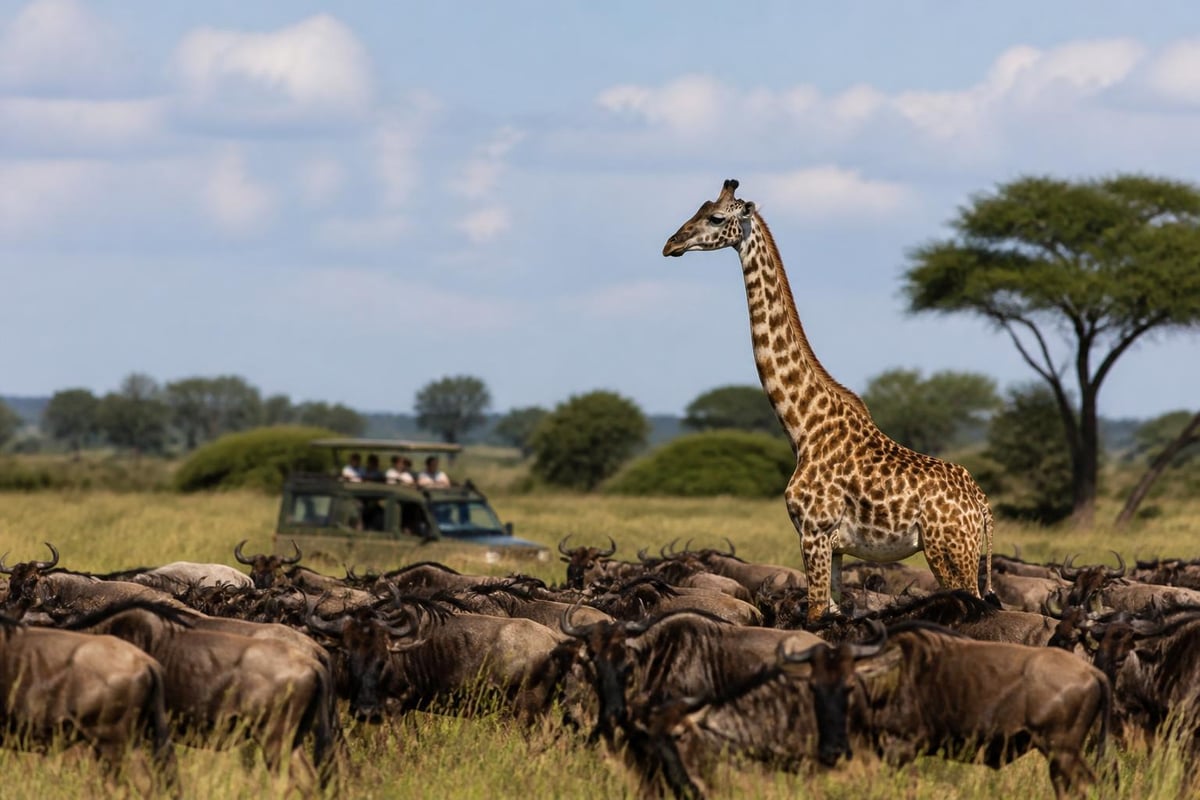
Tanzania encompasses the legendary Serengeti ecosystem, where millions of wildebeest, zebras, and gazelles follow ancient migration routes. The Ngorongoro Crater concentrates wildlife within a natural amphitheater, creating exceptional game viewing in a relatively small area.
Mount Kilimanjaro provides a dramatic backdrop for northern Tanzania safari tours, while the southern circuit offers less-crowded alternatives in Selous Game Reserve and Ruaha National Park. Coastal regions near Zanzibar allow combining safari adventures with Indian Ocean relaxation.
Preparing for Your Safari Tour Adventure
Proper preparation ensures comfort, safety, and readiness for the unique demands of safari environments. Physical preparation varies depending on planned activities and destinations.
Health Precautions and Medical Preparation
Consulting travel medicine specialists at least eight weeks before departure allows time for required vaccinations and health preparations. Yellow fever vaccination is mandatory for entering most East African countries, while hepatitis A and B, typhoid, and rabies vaccines receive recommendations based on itinerary specifics.
Malaria prevention requires antimalarial medication combined with mosquito avoidance strategies. The CDC provides detailed health information for African travel, including country-specific recommendations and disease outbreak updates. Pack insect repellent containing DEET, wear long sleeves during dawn and dusk, and sleep under mosquito netting when provided.
Packing Essentials for Safari Tours
Strategic packing balances preparedness with luggage restrictions, particularly for small aircraft transfers between parks. Soft-sided duffel bags work better than hard-shell suitcases in safari vehicles and small planes.
| Category | Essential Items | Quantity Notes |
|---|---|---|
| Clothing | Neutral-colored shirts, pants, fleece | 3-4 sets (laundry available) |
| Footwear | Hiking boots, casual shoes, sandals | Break in boots before travel |
| Sun Protection | Sunscreen SPF 50+, hat, sunglasses | Equatorial sun intensity |
| Optics | Binoculars, camera with zoom lens | 8×42 or 10×42 binoculars ideal |
| Documents | Passport, permits, travel insurance | Digital and physical copies |
Layering systems work best for varying temperatures and conditions. Mornings start cold, afternoons heat up, and evenings cool down again. Neutral colors like khaki, olive, and brown avoid startling wildlife and blend with natural surroundings.
Physical Fitness Considerations
Different safari activities demand varying fitness levels. Standard game drives require minimal physical exertion, simply sitting in vehicles during wildlife observation. Gorilla trekking presents more significant challenges, potentially involving several hours of hiking through steep, muddy terrain at altitude.
Building cardiovascular endurance through regular walking or hiking in the months before your trip pays dividends during physically demanding activities. Even moderate fitness levels suffice for most safari tours, though specific activities like climbing to see chimpanzees or extended walking safaris benefit from stronger conditioning.
Maximizing Wildlife Viewing Success
Understanding animal behavior and following expert guidance significantly increases meaningful wildlife encounters during safari tours. Rangers and guides bring years of experience interpreting tracks, calls, and environmental cues.
Morning and Evening Game Drives
Wildlife activity peaks during cooler morning and evening hours when animals actively hunt, graze, and move between locations. Predators like lions and leopards often hunt at dawn, while herbivores feed before the day's heat intensifies.
Most safari tours schedule game drives for 6:00-10:00 AM and 4:00-7:00 PM, maximizing overlap with active wildlife periods. Midday hours work better for relaxation, meals, and enjoying lodge amenities while animals rest in shade.
Successful game drive strategies include:
- Maintaining patience when searching for specific animals
- Listening to guide expertise about recent sightings and patterns
- Keeping noise levels low to avoid disturbing wildlife
- Using binoculars to scan distant areas guides might miss
- Photographing the full scene, not just close-ups
Behavioral Observation Techniques
Reading animal behavior transforms simple sightings into meaningful encounters. Tension in a herd indicates nearby predators. Birds diving toward the ground signal a kill. Elephants with raised trunks and flapping ears demonstrate agitation requiring increased distance.
Guides interpret these signals constantly, positioning vehicles for optimal viewing while respecting animal comfort zones. Your attention to guide instructions ensures both safety and better experiences.
Ethical Wildlife Interaction Standards
Responsible safari tours prioritize animal welfare over visitor convenience. Maintaining proper distances prevents stress that disrupts natural behaviors, particularly during sensitive periods like mating or caring for young.
Never request guides to drive off-road except where specifically permitted, as vegetation damage affects entire ecosystems. Flash photography startles nocturnal animals and is generally prohibited. Feeding wildlife creates dangerous dependencies and alters natural behaviors.
Accommodation Options for Safari Tours
Where you sleep significantly impacts your overall safari experience, with options ranging from basic camping to ultra-luxury lodges. Each accommodation style offers distinct advantages and characteristics.
Tented Camps and Mobile Camps
Tented camps blend comfort with authentic safari atmosphere, featuring permanent or semi-permanent structures with proper beds, en-suite bathrooms, and quality furnishings. Canvas walls allow you to hear nocturnal wildlife activity while maintaining security and comfort.
Mobile camps move seasonally to follow wildlife migrations, positioning guests in prime locations throughout the year. These camps establish temporary infrastructure that leaves minimal environmental impact.
Permanent Lodges and Eco-Lodges
Permanent lodges provide hotel-like amenities within national parks or adjacent to park boundaries. Many incorporate local architectural styles and sustainable practices including solar power, rainwater harvesting, and community employment programs.
Location matters significantly when selecting lodges. Properties inside park boundaries maximize wildlife viewing time by eliminating lengthy entrance commutes each morning and evening.
Budget and Mid-Range Options
Budget safari tours typically use simple lodges or basic tented camps with shared facilities or minimal amenities. These options make safari experiences accessible to more travelers while still providing access to the same wildlife viewing opportunities as luxury alternatives.
Mid-range accommodations balance comfort and cost, offering private bathrooms, decent meals, and comfortable beds without luxury price tags. The wildlife you encounter remains identical regardless of accommodation level since all visitors access the same parks and reserves.
Cultural Dimensions of Safari Tours
East African safari tours extend beyond wildlife to encompass rich cultural traditions, diverse communities, and historical contexts that add depth to your journey.
Community-Based Tourism Initiatives
Many safari operators incorporate community visits that directly benefit local populations through tourism revenue. These interactions provide authentic cultural exchanges while supporting schools, healthcare, and local enterprises.
Village visits might include traditional dance performances, craft demonstrations, home-cooked meals, or conversations about daily life and customs. These experiences contextualize the human dimension of conservation, revealing how wildlife protection intersects with community needs and aspirations.
Conservation and Tourism Balance
Modern safari tours increasingly emphasize conservation funding through tourism revenue. Park entrance fees, permits, and accommodation charges directly support wildlife protection, anti-poaching efforts, and habitat preservation.
Understanding this connection helps travelers appreciate their role in conservation systems. Gorilla trekking permits, while expensive, fund ranger salaries, veterinary care, and community development projects that reduce human-wildlife conflict. Your participation in safari tours contributes to protecting these ecosystems for future generations.
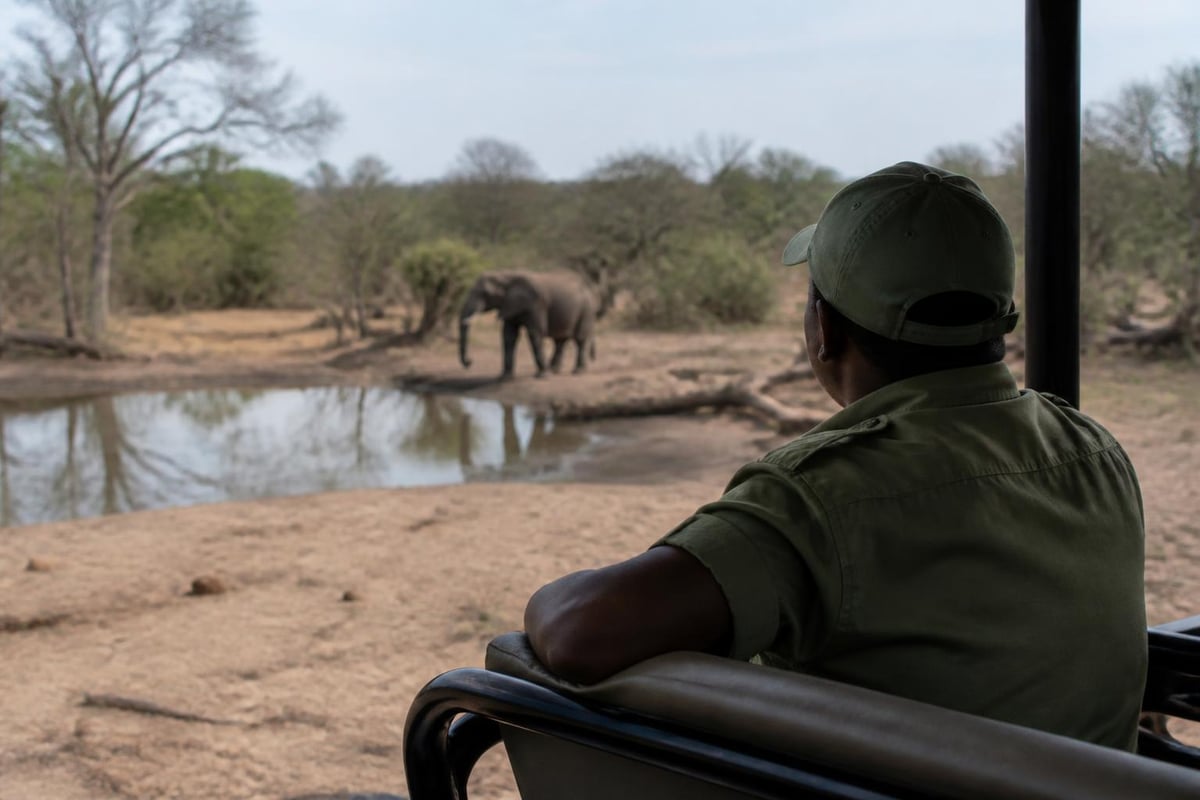
Respectful Cultural Engagement
Approaching cultural interactions with respect and genuine curiosity creates meaningful exchanges. Learning basic greetings in Swahili or local languages demonstrates effort and appreciation. Asking permission before photographing people honors their dignity and privacy.
Understanding local customs around dress, behavior, and social interaction prevents unintentional offense. Your guides serve as cultural interpreters, explaining significance behind traditions and facilitating appropriate engagement.
Booking and Logistical Considerations
Successfully executing safari tours requires attention to booking procedures, permit acquisition, and logistical coordination. Planning ahead prevents disappointment and ensures availability.
Permit Requirements and Advance Booking
Limited permits for activities like gorilla trekking require securing reservations months ahead, particularly during peak seasons. Uganda and Rwanda restrict daily gorilla trekking to protect animal welfare, with permits often selling out six to twelve months before travel dates.
Working with specialized operators who understand permit systems and have established relationships with wildlife authorities streamlines this process. They monitor availability, secure permits when released, and coordinate the complex logistics of multi-park itineraries.
Travel Insurance and Medical Evacuation Coverage
Comprehensive travel insurance specifically covering safari activities provides essential protection. Standard policies may exclude adventure activities, requiring additional coverage for trekking, wildlife encounters, and remote location risks.
Medical evacuation insurance becomes particularly important given distances from advanced healthcare facilities. Emergency evacuation from remote parks to hospitals in major cities or international medical centers involves significant costs that proper insurance covers.
Ground Transportation and Internal Flights
Distances between East African safari destinations often necessitate internal flights to maximize wildlife viewing time. Small aircraft connect remote airstrips near national parks, transforming full-day drives into one-hour flights.
Budget considerations must balance flight costs against the value of additional time experiencing wildlife rather than sitting in vehicles. Many popular tours optimize this balance, combining scenic drives with strategic flights.
Ground transportation typically uses specially modified 4×4 vehicles with pop-up roofs for wildlife photography and viewing. These vehicles accommodate small groups while providing comfort during hours spent searching for animals.
Photography Tips for Safari Tours
Capturing memorable images during safari tours requires understanding both technical photography skills and wildlife behavior patterns. Preparation and practice improve results significantly.
Camera Equipment Selection
DSLR or mirrorless cameras with telephoto zoom lenses (200-400mm range) provide versatility for safari photography. Animals maintain safe distances requiring zoom capability, while changing light conditions demand adjustable settings.
Bring extra batteries and memory cards since charging opportunities may be limited and you'll shoot more photos than typical vacations. Dust protection for camera bodies and lenses prevents damage from fine particles common in safari environments.
Lighting and Composition Strategies
Golden hour lighting during early morning and late afternoon creates warm, dramatic images far superior to harsh midday sun. Position yourself so sunlight illuminates animal faces rather than creating silhouettes.
Wildlife photography composition tips:
- Frame subjects using the rule of thirds rather than centering
- Include environmental context showing habitat and landscape
- Capture behavior and interaction rather than just static portraits
- Shoot at animal eye level when possible for intimate perspectives
- Maintain focus on eyes for sharpest, most engaging images
Managing Expectations and Enjoying Moments
The best safari photographs balance technical quality with authentic moments. Resist the temptation to experience everything through a viewfinder. Take some shots, then lower your camera to simply observe and absorb the experience.
Not every encounter produces perfect photographs, and that's acceptable. Sometimes the magic exists in what you witness rather than what you capture. Memory and emotion often prove more valuable than digital files.
Sustainable Safari Tourism Practices
Responsible safari tours minimize environmental impact while maximizing conservation and community benefits. Your choices as a traveler influence sustainability outcomes.
Low-Impact Travel Behaviors
Simple practices reduce your environmental footprint during safari tours. Avoid single-use plastics by carrying reusable water bottles that lodges can refill. Dispose of waste properly, carrying out anything you bring into parks.
Conserve water and electricity at accommodations, recognizing that many operate on limited resources in remote locations. Respect wildlife viewing distance guidelines that protect animal welfare while ensuring your safety.
Supporting Conservation-Focused Operators
Selecting safari operators with demonstrated conservation commitments amplifies your positive impact. Look for companies that employ local guides, support community development projects, and follow responsible tourism principles.
Transparent operators openly discuss their conservation contributions and community partnerships rather than just marketing sustainability as a concept. They invest in staff training, fair wages, and long-term environmental protection.
Carbon Offset Considerations
International flights and ground transportation during safari tours generate significant carbon emissions. Many travelers choose to offset these impacts through verified carbon reduction programs that fund renewable energy, reforestation, or community development projects.
While offsets don't eliminate environmental impact, they represent acknowledgment and mitigation of travel's carbon footprint. Some safari operators include carbon offsets in their pricing or partner with specific offset programs.
Safari tours offer transformative experiences that connect travelers with wildlife, landscapes, and cultures in profoundly meaningful ways. Careful planning around timing, destinations, activities, and logistics ensures your adventure matches your expectations while supporting conservation and communities. Whether you're drawn to gorilla encounters in misty mountains, lions on golden savannahs, or the rich cultural tapestry of East Africa, Village Of Lakes Safaris creates customized itineraries that bring your safari vision to life across Uganda, Rwanda, and Tanzania with expert guidance every step of the journey.
Article written using RankPill.