
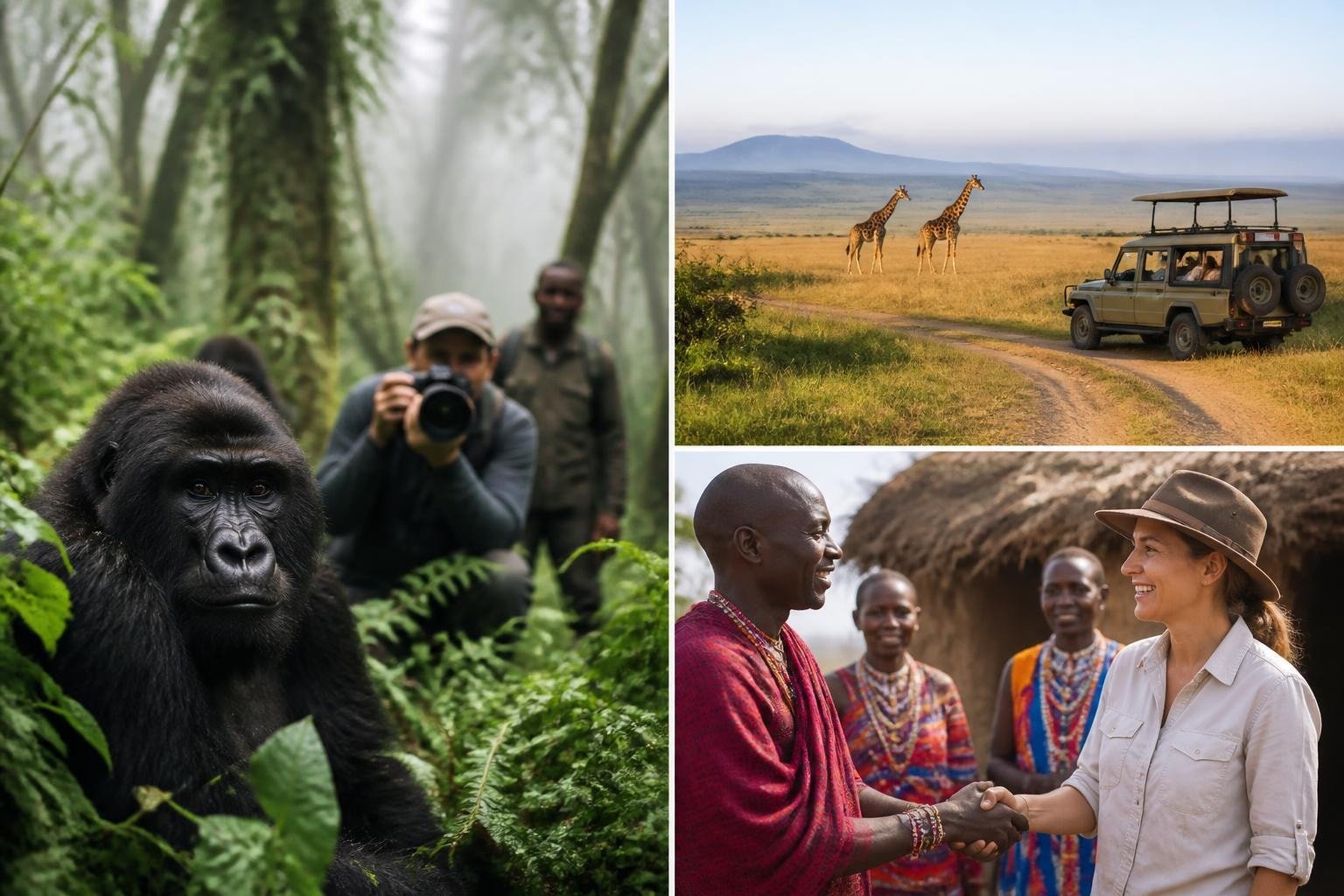
Choosing among the best safari tours requires understanding what makes an African adventure truly exceptional. East Africa stands out as a premier destination, offering unparalleled wildlife encounters, diverse ecosystems, and transformative experiences that go beyond typical game drives. From the misty mountains of Uganda and Rwanda to Tanzania's endless plains, the region delivers authentic safari adventures that combine thrilling wildlife viewing with meaningful cultural connections. Whether you're tracking mountain gorillas through ancient forests or watching the Great Migration unfold, selecting the right tour operator and itinerary shapes your entire experience.
What Defines the Best Safari Tours
The best safari tours share several distinguishing characteristics that separate memorable journeys from ordinary vacations. Expert guidance stands at the foundation of exceptional safari experiences, as knowledgeable guides transform wildlife sightings into educational encounters and ensure safety throughout your adventure.
Quality safari operators invest heavily in guide training and local expertise. They understand animal behavior, ecological systems, and conservation challenges facing each destination. These professionals can interpret tracks, identify bird calls, and position vehicles for optimal photography opportunities while maintaining respectful distances from wildlife.
Essential Elements of Superior Safari Experiences
Beyond qualified guides, the best safari tours incorporate specific elements that enhance overall value:
- Small group sizes that minimize environmental impact and maximize personal attention
- Flexible itineraries accommodating weather changes and wildlife movement patterns
- Sustainable practices supporting conservation efforts and local communities
- Quality accommodations ranging from comfortable lodges to luxury tented camps
- Comprehensive logistics handling permits, transfers, and meals seamlessly
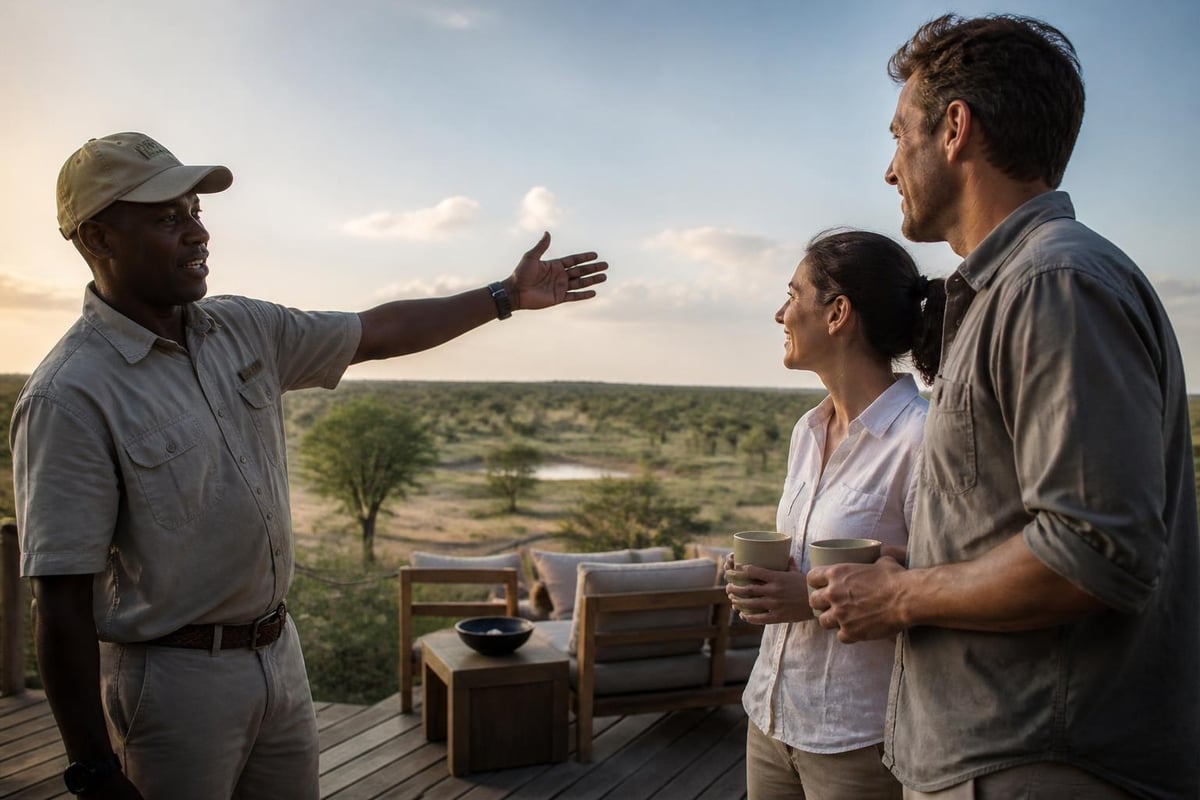
Geographic specialization also matters significantly. Operators focusing on specific regions develop deeper relationships with park authorities, understand seasonal wildlife patterns, and maintain established camps in prime locations. Safari Intelligence provides independent analysis helping travelers identify operators with genuine regional expertise versus those offering generic African tours.
East African Safari Destinations Worth Considering
East Africa encompasses some of the world's most spectacular safari destinations, each offering distinct experiences and wildlife viewing opportunities. Understanding regional differences helps match your interests with the most suitable locations.
Uganda: The Pearl of Africa
Uganda delivers diverse safari experiences within a compact geographic area. The country's signature attraction remains mountain gorilla trekking in Bwindi Impenetrable National Park, where roughly half the world's remaining mountain gorillas reside. These intimate encounters, limited to one hour per group, rank among wildlife tourism's most profound experiences.
Kibale National Park protects 13 primate species, including habituated chimpanzee communities accessible through guided forest walks. Queen Elizabeth National Park offers traditional savannah safaris featuring lions, elephants, buffaloes, and the rare tree-climbing lions of Ishasha sector. The Kazinga Channel boat cruise provides exceptional hippo and bird viewing opportunities.
| National Park | Key Wildlife | Best Activities | Optimal Season |
|---|---|---|---|
| Bwindi Impenetrable | Mountain gorillas | Gorilla trekking | June-September, December-February |
| Kibale Forest | Chimpanzees, primates | Chimpanzee tracking | December-February, June-September |
| Queen Elizabeth | Big cats, elephants | Game drives, boat cruises | June-September, December-February |
| Murchison Falls | Giraffes, Nile crocodiles | Game drives, waterfall viewing | December-March, June-September |
Rwanda and Tanzania: Complementary Experiences
Rwanda offers similar gorilla trekking opportunities in Volcanoes National Park with excellent infrastructure and shorter transfer times. The country's compact size makes multi-park itineraries manageable within shorter timeframes.
Tanzania encompasses the Serengeti ecosystem, witnessing the annual wildebeest migration, and Ngorongoro Crater, often called Africa's Garden of Eden. These destinations suit travelers prioritizing classic savannah wildlife viewing over primate encounters. National Geographic expeditions regularly feature Tanzania's northern circuit due to exceptional wildlife densities and photographic opportunities.
Selecting Safari Tour Operators and Packages
The safari industry includes thousands of operators offering varying quality levels, pricing structures, and specializations. Distinguishing reputable companies from mediocre providers requires research and understanding key evaluation criteria.
Evaluating Operator Credentials
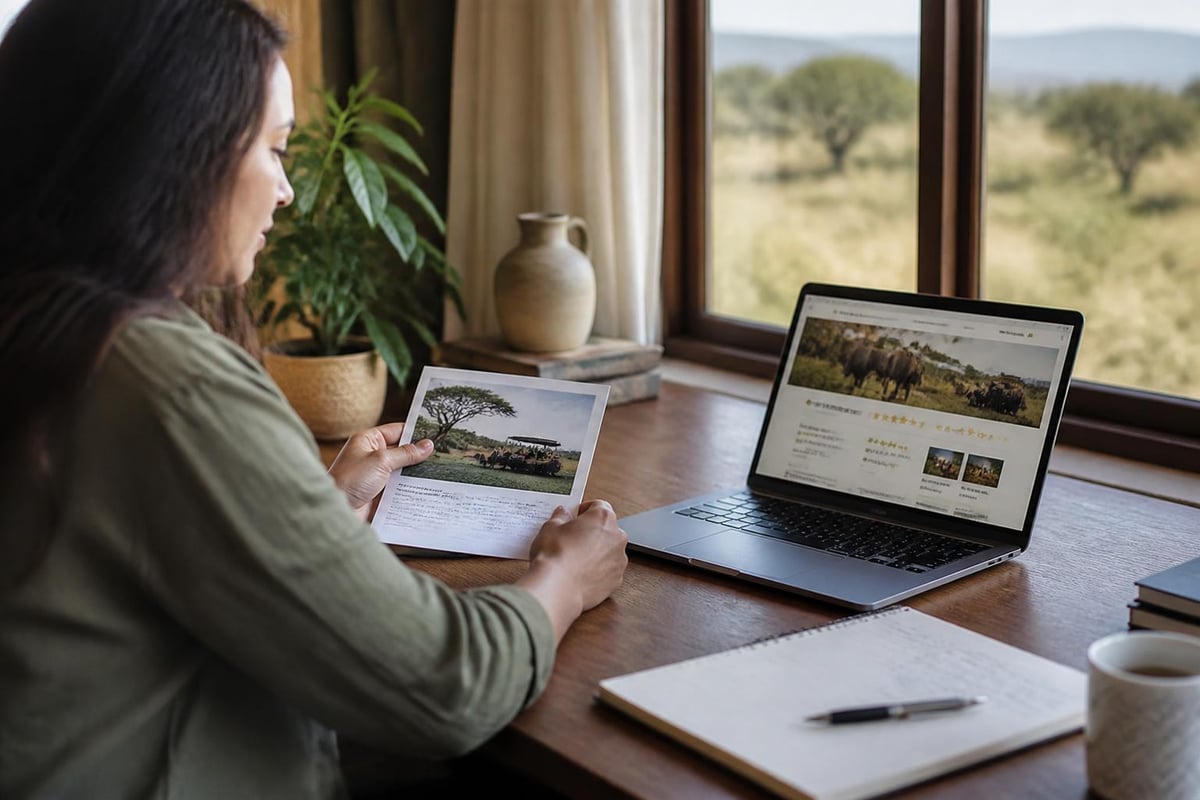
Start by examining operator credentials, certifications, and affiliations. Membership in professional associations like the African Travel and Tourism Association indicates commitment to industry standards. TourRadar’s safari operator listings provide verified reviews and comparative ratings across multiple companies.
Financial protection through bonding or insurance safeguards your investment against operator bankruptcy. Established companies maintain transparent booking terms, clear cancellation policies, and responsive customer service throughout the planning process.
Look for operators demonstrating genuine conservation commitment beyond marketing claims. The best safari tours actively support wildlife protection, employ local staff, and invest in community development projects that create sustainable tourism economies.
Understanding Pricing and Value
Safari pricing varies dramatically based on accommodation standards, group size, included activities, and destination. Budget safaris often cut corners on guide quality, vehicle maintenance, or lodge standards that significantly impact experience quality.
Mid-range tours typically offer the best value for most travelers, balancing comfort with reasonable pricing. These packages use well-maintained vehicles, qualified guides, and comfortable lodges without luxury price tags. Transparency about included and excluded costs prevents unpleasant surprises during your trip.
Luxury safaris provide premium accommodations, private guides, exclusive wildlife viewing areas, and personalized services justifying higher investment for travelers prioritizing comfort and exclusivity. Forbes’ safari analysis examines what distinguishes truly exceptional luxury safari experiences from standard offerings.
Customizable Safari Itineraries and Activities
The best safari tours recognize that travelers have diverse interests, fitness levels, and time constraints. Customization transforms generic packages into personalized adventures aligned with specific goals and preferences.
Building Balanced Multi-Activity Itineraries
Combining different safari activities creates richer experiences than focusing exclusively on game drives. A well-designed itinerary might integrate:
- Morning game drives when wildlife remains most active
- Boat safaris offering unique perspectives on aquatic ecosystems
- Guided nature walks enabling close-up examination of smaller species and vegetation
- Cultural village visits connecting with local communities and traditions
- Bird watching expeditions appealing to ornithology enthusiasts
- Photography workshops maximizing opportunities for capturing exceptional images
Expert operators balance activity intensity with adequate rest periods, preventing safari fatigue that diminishes enjoyment. They understand that gorilla trekking demands significant physical exertion requiring recovery time before subsequent activities.
For those seeking comprehensive Uganda experiences, specialized itineraries showcase the country's full biodiversity spectrum. The 7 Days Gorilla and Wildlife Safari in Uganda exemplifies well-paced multi-park adventures combining primate trekking with traditional wildlife viewing and boat excursions, all coordinated through experienced local operators who handle permits and logistics seamlessly.
Seasonal Considerations and Timing
Wildlife viewing quality fluctuates throughout the year based on rainfall patterns, migration cycles, and vegetation density. Dry seasons generally provide superior game viewing as animals concentrate around water sources and thinner vegetation improves visibility.
However, green seasons offer advantages including lower rates, fewer tourists, dramatic landscapes, and excellent bird watching as migratory species arrive. The best safari tours help clients understand seasonal trade-offs rather than simply recommending peak periods.
Health, Safety, and Practical Preparations
Successful safaris require appropriate health preparations, safety awareness, and practical gear selections. Understanding these elements prevents common problems that derail otherwise excellent trips.
Medical Preparations and Requirements
Yellow fever vaccination remains mandatory for entry to East African countries, with officials checking certificates at borders. Malaria prophylaxis is strongly recommended for most safari destinations, though specific medication choices should be discussed with travel health specialists familiar with regional resistance patterns.
Routine vaccinations should be current, with additional immunizations for hepatitis A, typhoid, and tetanus often recommended. Travelers with specific health conditions require medical clearance, particularly for high-altitude activities or strenuous gorilla treks.
Travel insurance covering medical evacuation is essential, as remote safari locations may lack adequate medical facilities for serious conditions. Policies should specifically cover adventure activities, as standard travel insurance often excludes wildlife-related incidents.
Packing Essentials and Gear
Safari packing requires balancing comprehensive preparation with luggage weight restrictions, particularly for light aircraft transfers between parks. Essential items include:
- Neutral-colored clothing (avoiding bright colors that disturb wildlife)
- Layering options for temperature variations between early morning and midday
- Quality binoculars enhancing wildlife observation
- Camera equipment with appropriate lenses for distance photography
- Sun protection including hats, sunglasses, and high-SPF sunscreen
- Insect repellent containing DEET for malaria prevention
- Comfortable hiking boots broken in before departure
Specialized equipment like gorilla trekking gaiters and walking sticks can often be rented locally, reducing luggage requirements. Natural Habitat Adventures provides detailed packing lists tailored to specific safari types and seasons.
Sustainable and Responsible Safari Tourism
The best safari tours prioritize environmental sustainability and positive community impact alongside exceptional guest experiences. Responsible tourism ensures wildlife populations and habitats remain healthy for future generations while supporting local economies.
Conservation-Focused Operators
Leading safari companies actively participate in conservation initiatives through direct funding, research support, and education programs. They follow strict wildlife viewing protocols that minimize disturbance, maintain appropriate distances, and limit time spent with habituated animals.
Anti-poaching efforts receive support through various mechanisms, from employing former poachers as guides to funding ranger patrols and wildlife monitoring programs. Gorilla trekking permit fees directly fund conservation work, with Uganda investing significant portions in habitat protection and community development.
| Sustainability Practice | Impact | How to Verify |
|---|---|---|
| Local staff employment | Economic benefits remain in communities | Ask about hiring policies |
| Carbon offset programs | Reduces travel environmental impact | Check for recognized certifications |
| Waste management | Minimizes pollution in protected areas | Observe camp practices |
| Community partnerships | Shares tourism revenue locally | Request information on partnerships |
| Wildlife protocol adherence | Protects animal welfare | Research operator reputation |
Supporting Local Communities
Community-based tourism creates incentives for wildlife protection by demonstrating economic value of intact ecosystems. Villages neighboring national parks often receive revenue shares from tourism activities, funding schools, health clinics, and infrastructure improvements.
Cultural tour components employ local guides, purchase crafts directly from artisans, and provide authentic cultural exchanges benefiting both visitors and communities. Safariopedia helps identify operators with verified community partnership programs rather than superficial cultural performances.
Maximizing Photography Opportunities
Wildlife photography represents a primary motivation for many safari travelers. Understanding photographic considerations when selecting tours and preparing equipment significantly impacts results.
Equipment and Technical Preparation
Serious wildlife photography demands telephoto lenses, ideally 300mm or longer, to capture frame-filling images while maintaining respectful distances. Stabilization through tripods or beanbags proves essential for sharp images from moving vehicles.
Multiple camera bodies prevent single equipment failures from ruining photography opportunities. Memory cards, batteries, and charging solutions require careful planning, as safari camps may have limited electricity access or incompatible outlets.
Photography-specific tours schedule activities around optimal lighting conditions, position vehicles for ideal angles, and spend extended periods with wildlife subjects. Forbes’ guide to luxury safaris discusses operators offering specialized photography workshops with professional instruction.
Ethical Wildlife Photography
The best safari tours emphasize ethical photography practices that prioritize animal welfare over image acquisition. This includes:
- Never interfering with wildlife behavior to create photo opportunities
- Respecting guide instructions about distances and positioning
- Avoiding flash photography that disturbs nocturnal species
- Limiting time spent with sensitive species like gorillas
- Sharing vehicle positioning fairly among group members
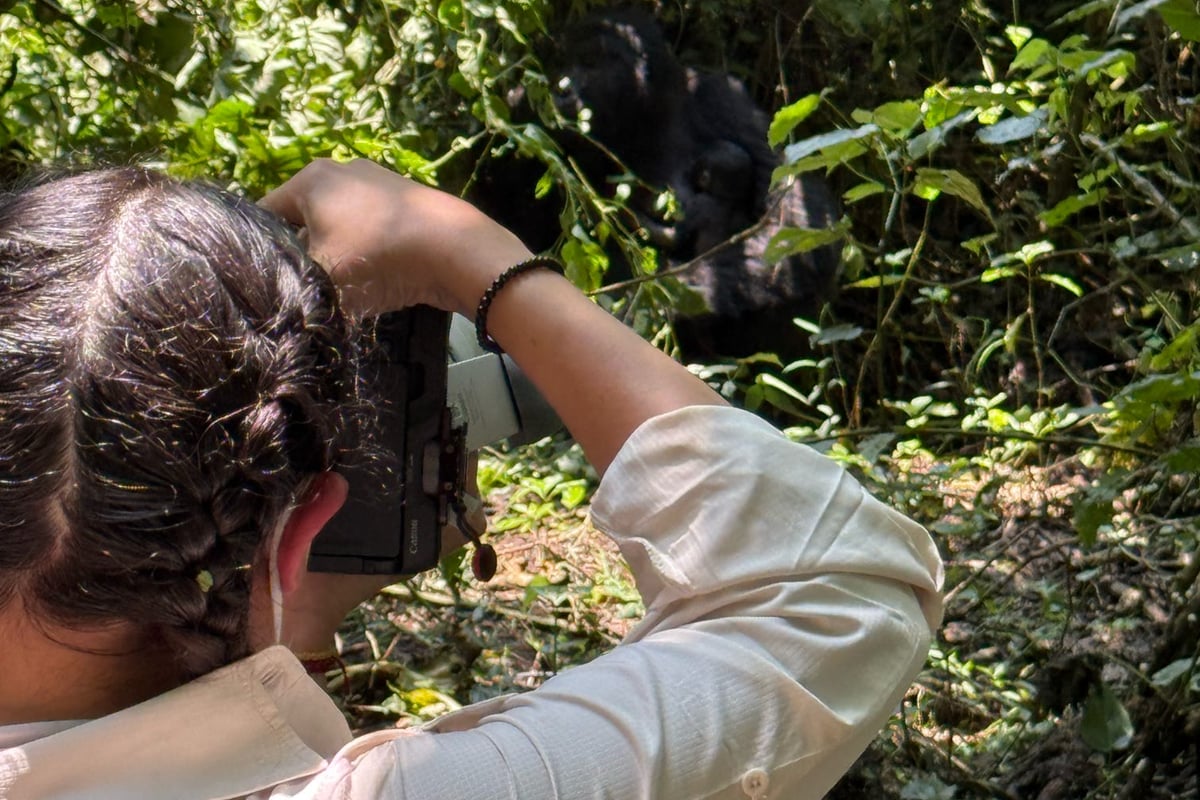
Some destinations prohibit photography entirely during certain activities. Gorilla trekking limits photography time and prohibits flash use to minimize stress on habituated groups.
Specialized Safari Experiences
Beyond traditional game drives and gorilla trekking, specialized safari experiences cater to specific interests and adventure levels. These niche offerings attract enthusiasts seeking deeper engagement with particular aspects of African wilderness.
Walking Safaris and Bush Camps
Walking safaris provide intimate wilderness experiences impossible from vehicles. Accompanied by armed rangers, these expeditions focus on tracking skills, ecological relationships, and smaller species often overlooked during drives. Thornton Safaris pioneered walking safaris emphasizing low-impact, high-adventure experiences.
Bush camps offer authentic wilderness immersion, often featuring mobile tented accommodations that relocate seasonally to follow wildlife movements. These camps provide rustic comfort while minimizing environmental footprint and maximizing wildlife proximity.
Bird Watching Expeditions
East Africa's extraordinary avian diversity attracts serious ornithologists alongside general nature enthusiasts. Over 1,000 bird species inhabit Uganda alone, including numerous endemics and Albertine Rift specialties.
Specialized bird watching safaris employ guides with expert ornithological knowledge who can identify species by call and locate rare birds in dense vegetation. These tours prioritize diverse habitats rather than concentrating solely on flagship mammal species.
Private and Family Safaris
Private safaris offer maximum flexibility, allowing custom scheduling, exclusive guide attention, and itinerary modifications based on wildlife sightings and group preferences. These premium options suit travelers seeking intimate experiences or those with specific mobility requirements.
Family safaris modify traditional tours for children through age-appropriate activities, education programs, and accommodations with family suites. The best safari tours for families balance wildlife viewing with shorter game drives, interactive activities, and child-friendly lodging.
Comparing Safari Regions and Migration Routes
Understanding regional differences across East Africa helps travelers select destinations matching their wildlife priorities and experience preferences. Each area offers unique ecological characteristics and species assemblages.
Migration phenomena represent nature's greatest spectacles, with millions of wildebeest, zebras, and gazelles following seasonal rainfall patterns. Tanzania's Serengeti hosts the most famous migration, though timing specific phases requires careful planning around unpredictable weather patterns.
Uganda's wildlife migrations occur on smaller scales but offer equally compelling viewing opportunities with fewer tourists. Queen Elizabeth National Park experiences seasonal elephant movements between sectors, while wetland birds migrate between different water bodies following rainfall distribution.
SafariPicked enables direct comparisons across thousands of tours spanning multiple countries, helping identify the best safari tours for specific wildlife interests, budgets, and travel windows.
Expert Planning Resources and Booking Strategies
Successful safari planning combines independent research with expert consultation. Understanding available resources and booking approaches optimizes outcomes while avoiding common pitfalls.
Independent Research Versus Travel Agents
Independent planning offers complete control over itinerary details and direct operator communication. Travelers comfortable researching permits, transfers, and accommodation options can often secure better pricing through direct bookings while customizing every detail.
However, specialized safari travel agents provide valuable expertise, particularly for complex multi-country itineraries or first-time African travelers. They understand seasonal variations, coordinate logistics, and troubleshoot problems arising during travel. Micato Safaris exemplifies luxury operators providing comprehensive planning services alongside guided tours.
Timing Bookings for Optimal Availability
Popular destinations like Bwindi's gorilla trekking require permit reservations months in advance, with peak seasons booking out a year ahead. The best safari tours often have limited departures, necessitating early booking to secure preferred dates and accommodations.
However, last-minute deals occasionally emerge for specific departures due to cancellations or unsold inventory. Flexible travelers willing to accept variable dates might secure significant discounts, though this approach risks missing premier destinations entirely.
Shoulder seasons provide optimal availability-value combinations, offering reduced rates and fewer crowds while maintaining reasonable wildlife viewing conditions. April-May and October-November represent shoulder periods across much East Africa, though specific parks have unique seasonal patterns.
Reading Reviews and Verifying Authenticity
Online reviews provide valuable insights into operator reliability, guide quality, and actual experiences versus marketing promises. However, distinguishing authentic reviews from promotional content requires careful evaluation.
Look for detailed reviews describing specific experiences, mentioning guide names, and noting both positive aspects and reasonable criticisms. Generic praise or exclusively negative comments may indicate manipulated ratings. Multiple platforms should show consistent patterns across independent review sites.
Selecting from the best safari tours transforms African dreams into tangible adventures combining wildlife encounters, cultural immersion, and personal growth. East Africa's diverse ecosystems support extraordinary biodiversity while local expertise ensures safe, meaningful experiences tailored to individual interests. Village Of Lakes Safaris specializes in customizable East African itineraries spanning Uganda, Rwanda, and Tanzania, coordinating every detail from gorilla permits to cultural tours while supporting conservation and community development throughout the region.