
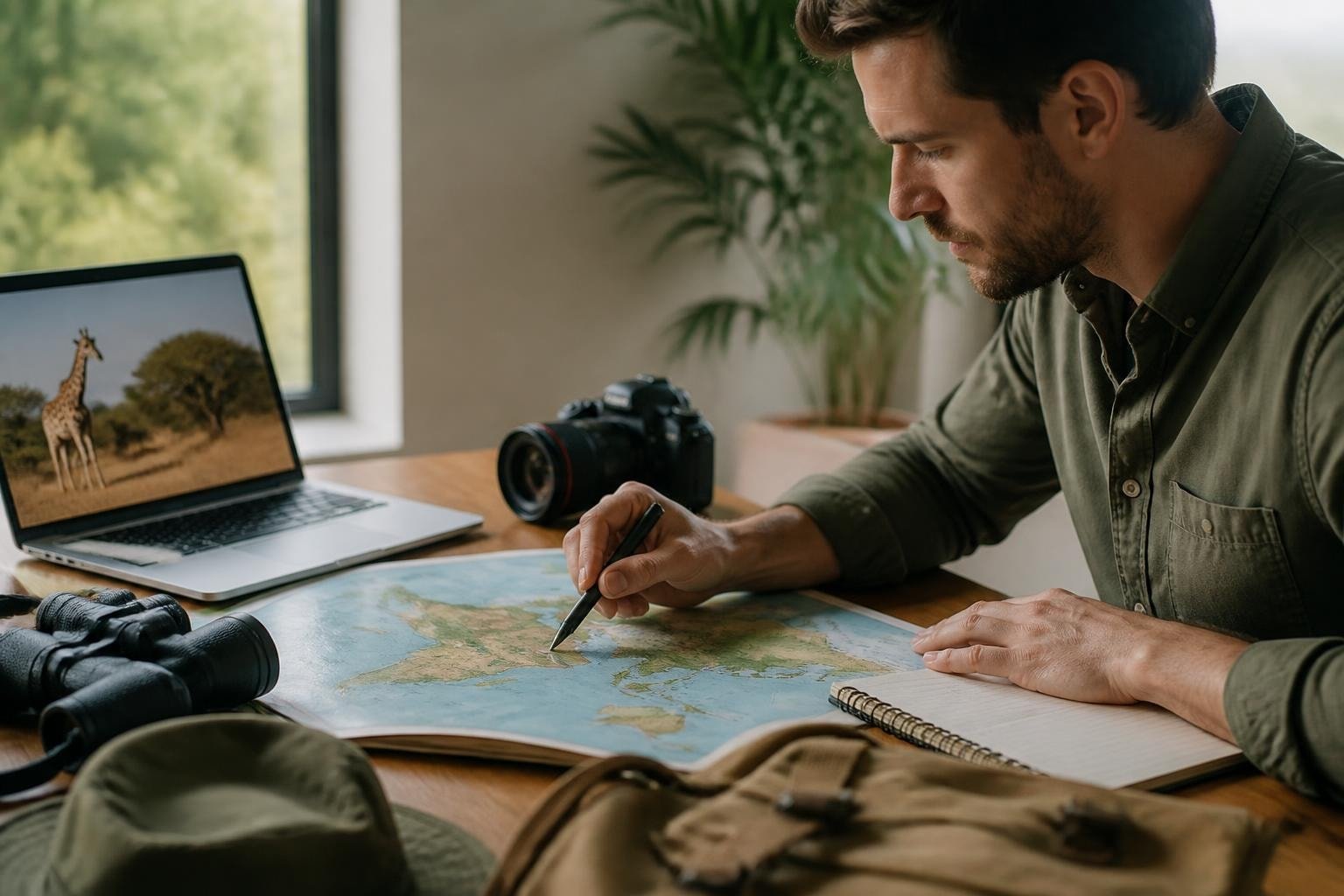
Planning a wildlife trip requires meticulous preparation, strategic timing, and a deep understanding of both your destination and your personal goals. Whether you're seeking close encounters with mountain gorillas in Uganda's misty forests or tracking big game across Tanzania's savannahs, the success of your adventure depends on the decisions you make long before departure. A well-planned wildlife trip transforms from a simple vacation into a life-changing experience that connects you with nature's most remarkable creatures in their natural habitats.
Understanding Your Wildlife Trip Objectives
Before booking flights or reserving accommodations, clarify what you want from your wildlife trip. Different travelers seek different experiences. Some prioritize rare species encounters, while others value photographic opportunities or educational immersion.
Defining Your Wildlife Priorities
Your species preferences will determine your destination choices. If primates top your list, East Africa's forests offer unparalleled opportunities for gorilla and chimpanzee tracking. For classic safari experiences featuring elephants, lions, and leopards, open savannahs provide the ideal setting.
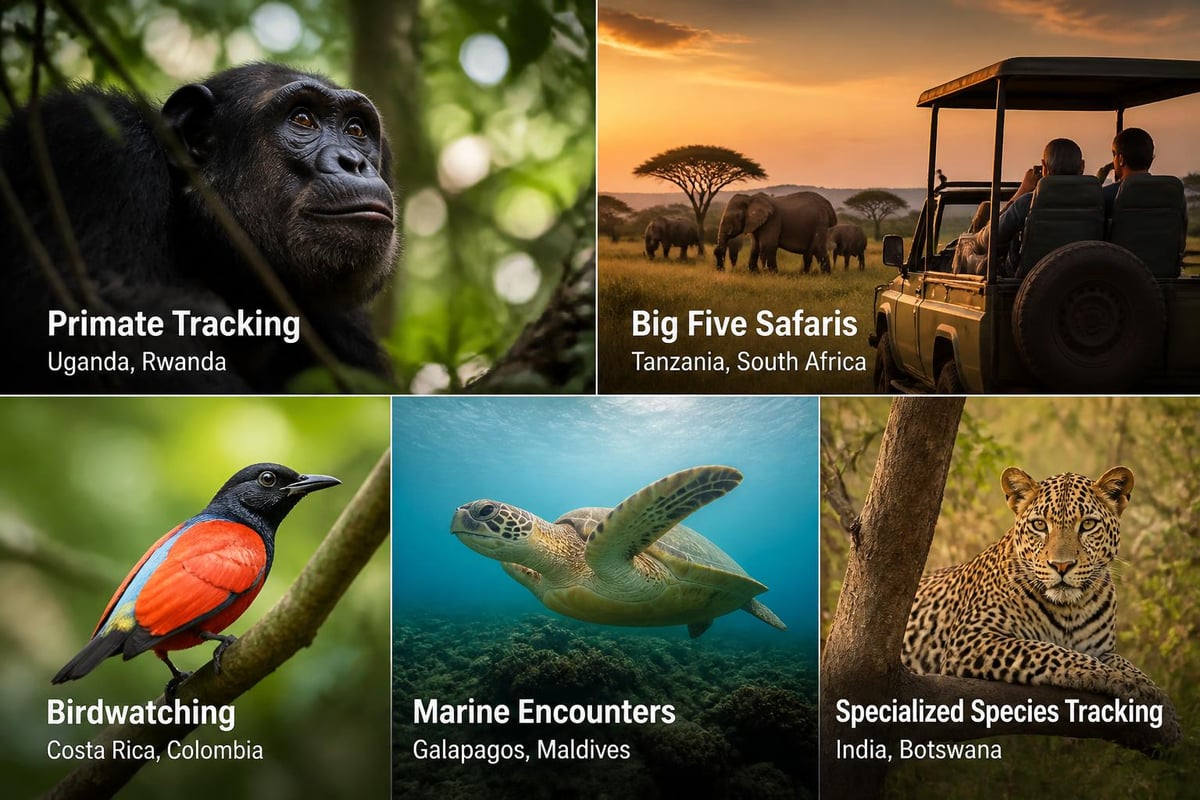
Consider these primary wildlife trip categories:
- Primate-focused expeditions targeting gorillas, chimpanzees, and golden monkeys
- Big Five safaris emphasizing lions, elephants, buffalo, leopards, and rhinoceros
- Birdwatching adventures concentrating on endemic and migratory species
- Marine wildlife encounters featuring whales, dolphins, and sea turtles
- Specialized tracking for rare or endangered species
Budget considerations significantly influence your wildlife trip planning. Luxury lodges offer comfort and convenience but come at premium prices. Mid-range accommodations balance quality with affordability, while budget options suit adventurous travelers willing to sacrifice some amenities for cost savings.
Seasonal Timing Strategies
Wildlife behavior changes dramatically with seasons. Migration patterns, breeding cycles, and weather conditions all affect animal visibility and accessibility. Research your target species' annual rhythms to maximize sighting opportunities.
Dry seasons generally provide superior game viewing as animals congregate around water sources and vegetation thins. Wet seasons offer lush landscapes, newborn animals, and migratory bird arrivals, though accessibility may decrease in certain areas. The National Park Service’s trip planning guide emphasizes seasonal preparation to ensure safety and optimal experiences.
Selecting Your Wildlife Trip Destination
East Africa stands as one of the world's premier wildlife trip destinations, offering extraordinary biodiversity across varied ecosystems. Uganda, Rwanda, and Tanzania each provide unique advantages for different wildlife interests.
Uganda's Diverse Ecosystems
Uganda's compact geography packs remarkable ecological diversity. From impenetrable montane forests to sprawling savannah parks, this country delivers comprehensive wildlife experiences within manageable travel distances.
Kibale National Park hosts the world's highest concentration of primates, making it ideal for chimpanzee trekking. Queen Elizabeth National Park features tree-climbing lions, hippos, and over 600 bird species. Bwindi Impenetrable National Park protects nearly half the world's remaining mountain gorillas.
For those seeking comprehensive experiences, the 9 Days Uganda Safari: Gorillas Chimps & Wildlife Tour combines these premier destinations into a single, well-coordinated itinerary that maximizes wildlife encounters while minimizing travel time between parks.
Rwanda's Conservation Excellence
Rwanda has rebuilt its tourism infrastructure around sustainable wildlife conservation. Volcanoes National Park offers exceptional gorilla trekking experiences with well-maintained trails and professional guides. The country's commitment to conservation shows in its pristine habitats and thriving animal populations.
Tanzania's Vast Wilderness
Tanzania's Serengeti National Park hosts the world-famous wildebeest migration, while Ngorongoro Crater provides a natural amphitheater teeming with wildlife. The country's expansive parks allow for multi-day expeditions deep into remote wilderness areas.
| Destination | Best For | Peak Season | Key Species |
|---|---|---|---|
| Uganda | Primates & Diversity | June-September, December-February | Gorillas, Chimps, Lions |
| Rwanda | Gorilla Trekking | June-September, December-February | Mountain Gorillas, Golden Monkeys |
| Tanzania | Migration & Big Five | January-February, June-October | Wildebeest, Lions, Elephants |
Essential Wildlife Trip Preparation
Proper preparation distinguishes memorable wildlife trips from disappointing experiences. Physical fitness, documentation, health precautions, and gear selection all demand attention weeks or months before departure.
Health and Safety Requirements
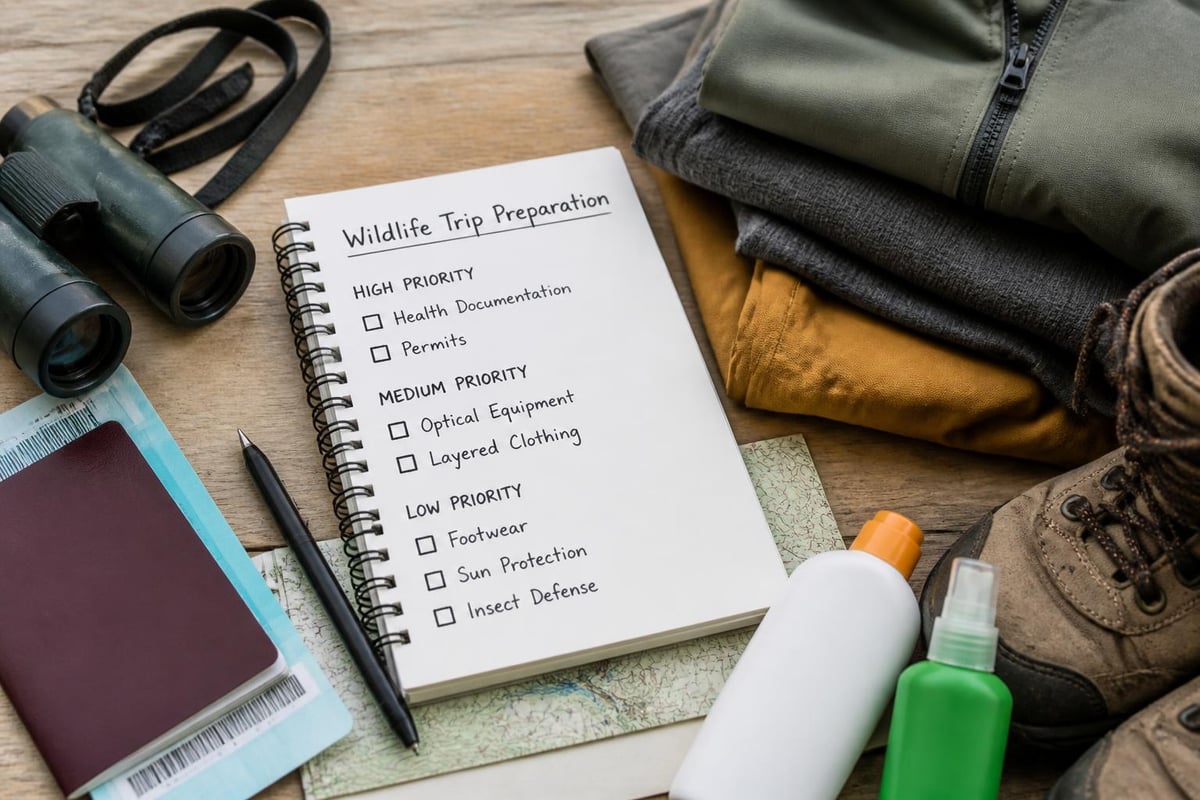
Consult travel medicine specialists at least eight weeks before your wildlife trip. Yellow fever vaccination is mandatory for East African travel, and many countries require proof at border crossings. Additional recommended vaccines include hepatitis A and B, typhoid, and tetanus.
Malaria prophylaxis is essential for most safari destinations. Discuss medication options with your healthcare provider, as different drugs suit different individuals. Pack a comprehensive first-aid kit including prescription medications, anti-diarrheal medicine, pain relievers, and blister treatment.
Documentation and Permits
Passport validity should extend at least six months beyond your travel dates. Most East African countries offer visa-on-arrival options, though advance e-visa applications often streamline entry processes.
Gorilla trekking permits require advance booking, sometimes months ahead for peak seasons. These permits are limited and non-refundable, so secure them early in your planning process. Your tour operator typically handles permit procurement, but confirm these arrangements well before departure.
Packing for Wildlife Encounters
Your wildlife trip packing list should prioritize function over fashion. Neutral-colored clothing (khaki, olive, brown) helps you blend into natural surroundings without startling animals. Avoid bright colors and bold patterns that may disturb wildlife or attract insects.
Essential wildlife trip gear includes:
- Optical equipment: Quality binoculars (8×42 or 10×42), camera with telephoto lens, extra batteries
- Clothing layers: Lightweight long sleeves, warm fleece for early mornings, waterproof jacket
- Footwear: Broken-in hiking boots, comfortable walking shoes, sandals for camp
- Sun protection: Wide-brimmed hat, high-SPF sunscreen, quality sunglasses
- Insect defense: DEET-based repellent, permethrin-treated clothing, mosquito net if camping
Maximizing Wildlife Viewing Success
Once in the field, your behavior and choices directly impact your wildlife encounters. Understanding animal behavior, working effectively with guides, and maintaining proper etiquette ensures both safety and successful sightings.
Working with Professional Guides
Experienced guides possess invaluable local knowledge about animal movements, habitat preferences, and behavioral patterns. They interpret tracks, calls, and environmental signs invisible to untrained eyes. Trust their expertise and follow their instructions precisely, especially during potentially dangerous encounters.
Ask questions and express your interests clearly. Guides can adjust routes and timing to prioritize your wildlife trip goals when possible. Communication helps them deliver the experience you're seeking while maintaining safety standards.
Optimal Viewing Times
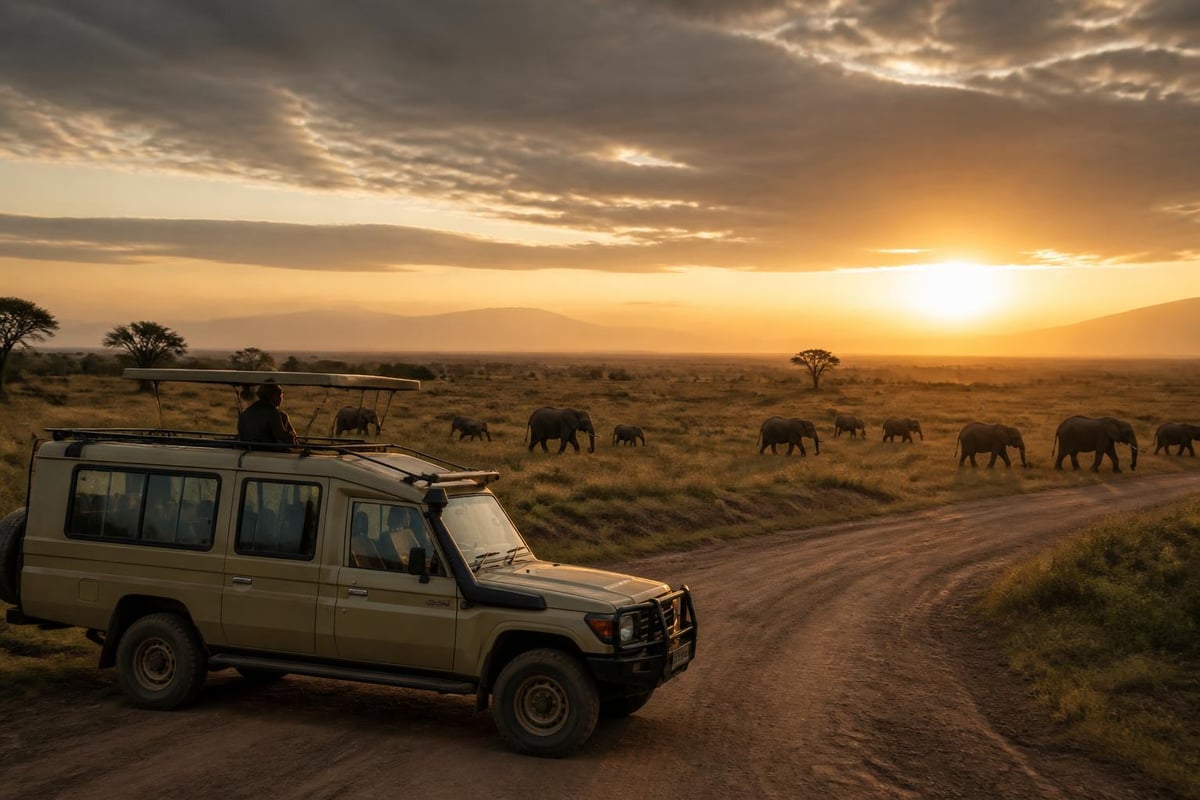
Wildlife activity peaks during cooler hours. Early morning game drives, starting before sunrise, catch predators returning from nocturnal hunts and herbivores beginning their daily routines. Late afternoon drives capture increased activity as temperatures drop and animals emerge from midday rest.
The best wildlife viewing locations vary by park and season, making local guide knowledge indispensable for finding active animals in vast landscapes.
Photography Etiquette and Techniques
Patience defines wildlife photography success. Resist the urge to constantly change positions or make noise trying to attract animal attention. Silent observation often rewards you with natural behaviors that rushed approaches miss.
Technical considerations include:
- Shutter speed: Minimum 1/500s for moving animals, faster for birds in flight
- ISO settings: Use higher ISO in low light rather than slow shutter speeds
- Aperture choices: Wide apertures (f/4-f/5.6) isolate subjects; narrow apertures (f/8-f/11) capture environmental context
- Composition: Rule of thirds, eye-level angles, negative space for impact
Never use flash photography during nighttime wildlife encounters unless your guide explicitly approves. Sudden bright lights can disorient nocturnal animals and disrupt their natural behaviors.
Responsible Wildlife Tourism Practices
Sustainable wildlife tourism protects the ecosystems and species that make your trip possible. Your choices as a traveler directly impact conservation outcomes and local communities.
Minimum Impact Principles
Maintain safe distances from all wildlife. Regulations specify minimum approach distances for different species, particularly for dangerous animals and endangered primates. These rules protect both you and the animals from stress, disease transmission, and potential conflicts.
Never feed wildlife under any circumstances. Human food disrupts natural diets, creates dangerous dependencies, and can transmit diseases. Animals that become habituated to human food often must be relocated or euthanized when they become aggressive.
Stay on designated trails and roads. Off-road driving damages fragile ecosystems, destroys vegetation, and disturbs wildlife. Even walking off marked paths can harm sensitive plant communities and nesting areas.
Supporting Conservation Through Tourism
Your wildlife trip expenditures can directly fund conservation when you choose responsible operators. Permit fees for gorilla trekking, for example, support park management, anti-poaching patrols, and community development programs that reduce human-wildlife conflict.
Select tour operators with demonstrated conservation commitments and fair labor practices. Companies should employ local guides, support community initiatives, and follow sustainable practices that minimize environmental impact.
| Practice | Impact | Implementation |
|---|---|---|
| Maintaining Distance | Reduces stress, prevents disease | Follow guide instructions, use zoom lenses |
| Staying on Trails | Protects habitats | Use designated paths only |
| Supporting Local Guides | Funds conservation | Choose locally-owned operators |
| Minimizing Plastic | Reduces pollution | Bring reusable bottles and bags |
Budgeting Your Wildlife Trip
Wildlife trip costs vary dramatically based on destination, duration, accommodation level, and activity choices. Understanding pricing structures helps you allocate resources effectively and avoid unexpected expenses.
Breaking Down Safari Costs
Accommodation typically represents the largest expense category. Luxury lodges can exceed $800 per person per night, while mid-range options range from $150-$400. Budget camping safaris might cost $80-$150 per person daily, all-inclusive.
Activity permits add substantial costs. Gorilla trekking permits cost $700 in Uganda and $1,500 in Rwanda. Chimpanzee tracking permits run approximately $200-$250. Standard game drive costs are typically included in daily rates, but specialized activities may incur additional fees.
Transportation expenses include international flights, domestic transfers, and ground transportation between parks. Some itineraries require small aircraft charters for remote locations, significantly increasing costs but saving valuable time.
Value Optimization Strategies
Traveling during shoulder seasons (March-May, November) often yields significant savings on accommodations without major wildlife viewing compromises. Many lodges offer discounts of 20-40% during these periods.
Group travel reduces per-person costs substantially. Safari vehicles and guide fees divide among participants, making group departures more economical than private safaris. However, private trips offer flexibility and personalized attention that group tours cannot match.
All-inclusive packages from reputable operators like Village Of Lakes Safaris often provide better value than independently booking components. These packages include accommodations, meals, park fees, guide services, and transportation, eliminating hidden costs and logistical complexities.
Hidden Costs to Consider
Tips for guides, drivers, and lodge staff represent expected expenses often overlooked in initial budgeting. Budget approximately $15-20 per day for guide tips, $5-10 for drivers, and $10-15 daily for lodge staff.
Travel insurance with medical evacuation coverage is essential for wildlife trips in remote areas. Quality policies cost 5-7% of total trip expenses but provide crucial protection in medical emergencies.
Visa fees, vaccination costs, and specialty gear purchases add several hundred dollars to trip budgets. Account for these expenses early to avoid budget shortfalls before departure.
Extending Your Wildlife Trip Experience
Multi-destination itineraries allow you to experience diverse ecosystems and species within a single journey. East Africa's proximity and good transportation infrastructure make regional combinations practical and rewarding.
Combining Destinations Effectively
Uganda and Rwanda pair naturally for gorilla-focused trips, with both countries accessible within short drives. Adding Tanzania's Serengeti or Ngorongoro Crater creates a comprehensive experience spanning primates and classic savannah wildlife.
Consider travel logistics when planning multi-country itineraries. Regional flights connect major hubs, but overland transfers may require full days. Balance travel time against wildlife viewing opportunities to maintain trip quality.
Cultural Integration Opportunities
Wildlife trips gain depth when combined with cultural experiences. Community visits, traditional performances, and craft markets connect you with local people whose lives intertwine with the wildlife you've come to see.
Many communities near national parks participate in tourism revenue-sharing programs that incentivize conservation. Your visits and purchases directly support these initiatives while enriching your understanding of human-wildlife coexistence challenges and solutions.
Capturing and Sharing Your Wildlife Trip
Documenting your wildlife encounters creates lasting memories while raising conservation awareness when shared responsibly. Balance photography with present-moment experience to fully appreciate your time in wild places.
Storytelling Through Images
Your wildlife trip photos tell stories that words alone cannot convey. Capture behavioral moments rather than just static portraits. A lioness teaching cubs to hunt, elephants greeting each other, or birds performing courtship displays communicate the drama and beauty of wild lives.
Environmental context adds depth to wildlife images. Wide shots showing animals in their habitats provide scale and setting that tight portraits miss. Alternating between close-ups and landscape compositions creates visual variety in your collection.
Ethical Sharing Practices
When sharing wildlife trip content on social media, avoid revealing sensitive location information that could endanger animals. Poacher networks monitor social media for wildlife locations, particularly for high-value species like rhinos and elephants.
Provide accurate species identifications and behavioral context when possible. Educate your audience about conservation challenges and successes rather than simply posting impressive images. Your experiences can inspire others while building support for wildlife protection.
Successful wildlife trip planning balances ambition with realism, adventure with safety, and personal goals with conservation ethics. The experiences awaiting you in East Africa's diverse ecosystems-from misty mountain forests to endless savannahs-will challenge your expectations and transform your understanding of the natural world. Village Of Lakes Safaris specializes in crafting customized itineraries that match your wildlife interests with optimal destinations, timing, and experiences across Uganda, Rwanda, and Tanzania. Their expert team handles complex logistics, secures crucial permits, and provides knowledgeable guides who ensure your wildlife trip exceeds your highest expectations while supporting conservation and local communities.
Article written using RankPill.